The Vega 56 Strix and My Love for HBM
I picked up the Vega 56 Strix in August 2022 and it immediately deepened something that had already been building for a while — an obsession with HBM.
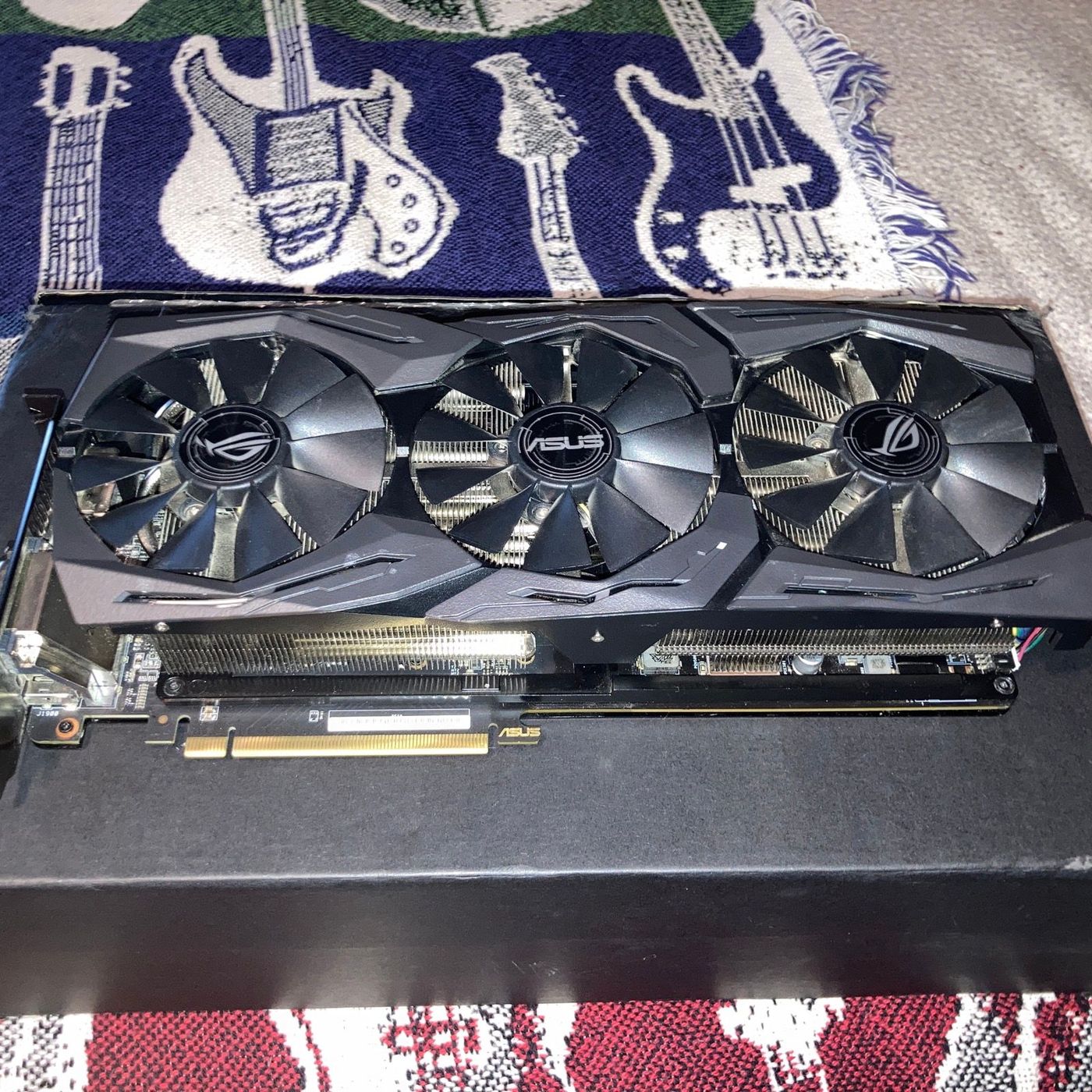
HBM as a technology is just cool. The way the memory stacks sit directly on the package next to the GPU die, the insane bandwidth relative to the physical footprint, the fact that it looks like nothing else on the market — it’s the kind of engineering decision that feels bold in a way modern GPU design rarely does anymore.
The Card
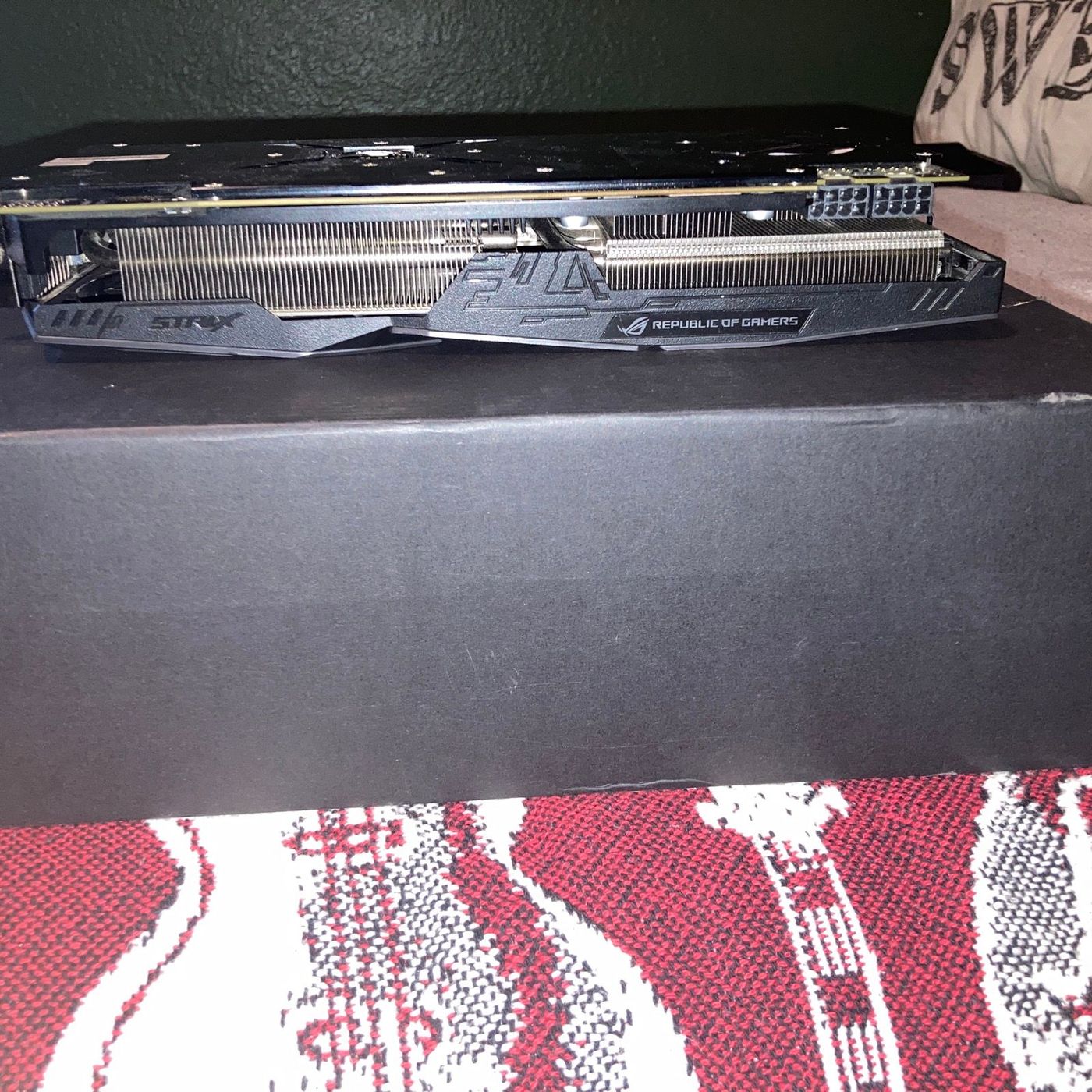
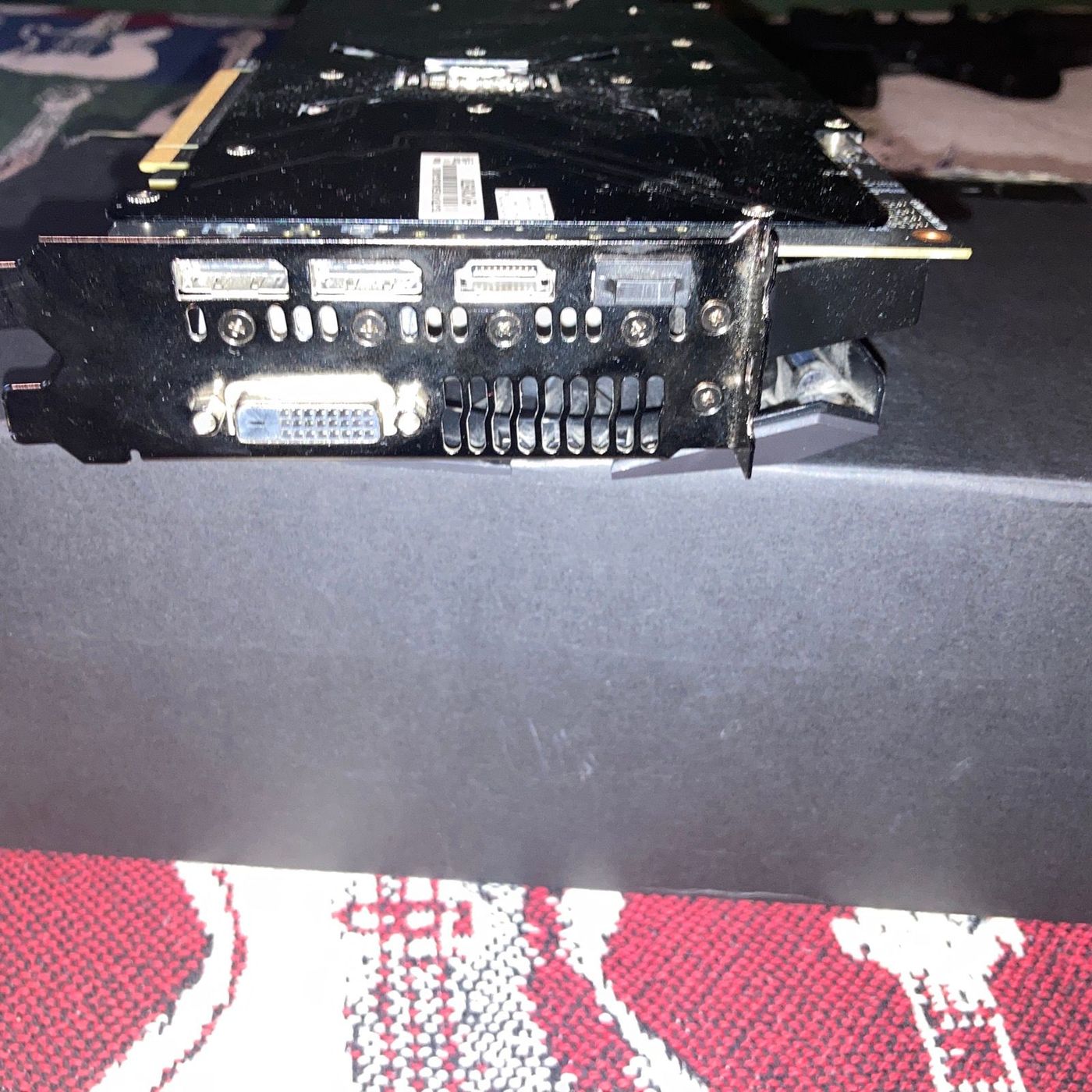
The Strix cooler on this thing is massive. Three fans, thick heatsink, the full ROG treatment.
The Thermal Pad Problem
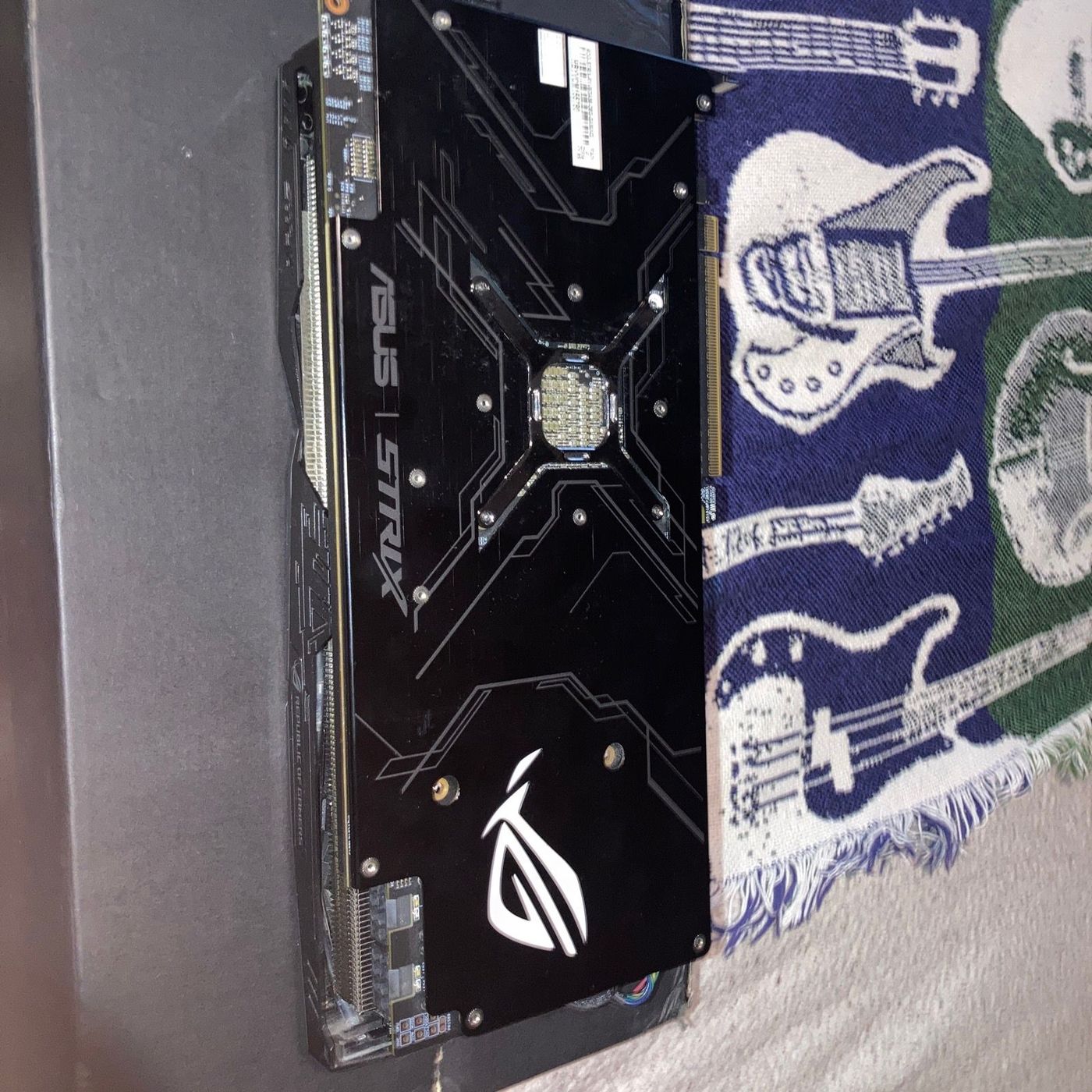
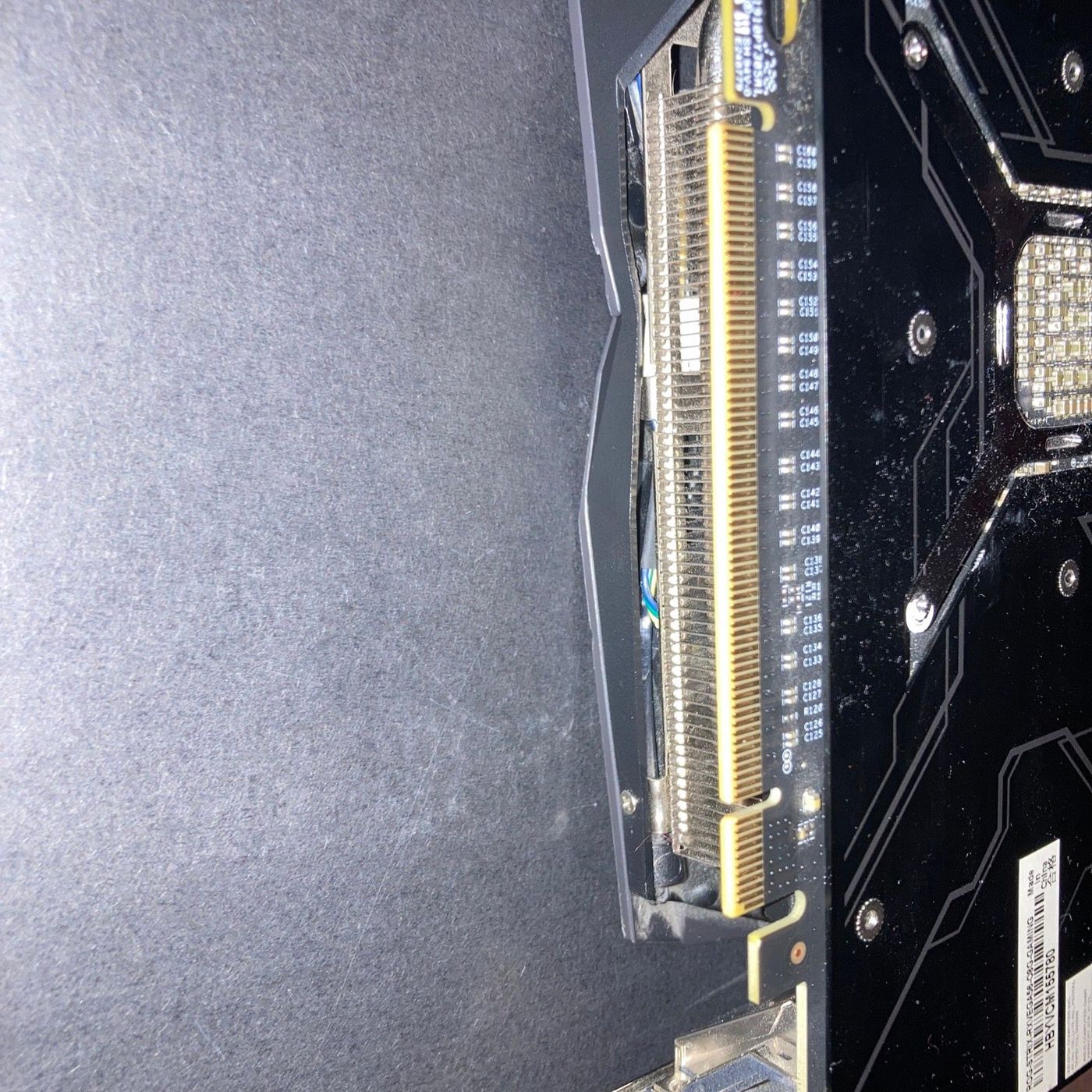
I got unlucky. There’s a known issue with certain Vega 56 Strix variants where one specific MOSFET on the board has nothing touching it — no thermal pad, no contact with the cooler whatsoever. Just a bare MOSFET sitting there getting absolutely no cooling while the card is under load. The result is that the card runs hot. Not warm. Hot.
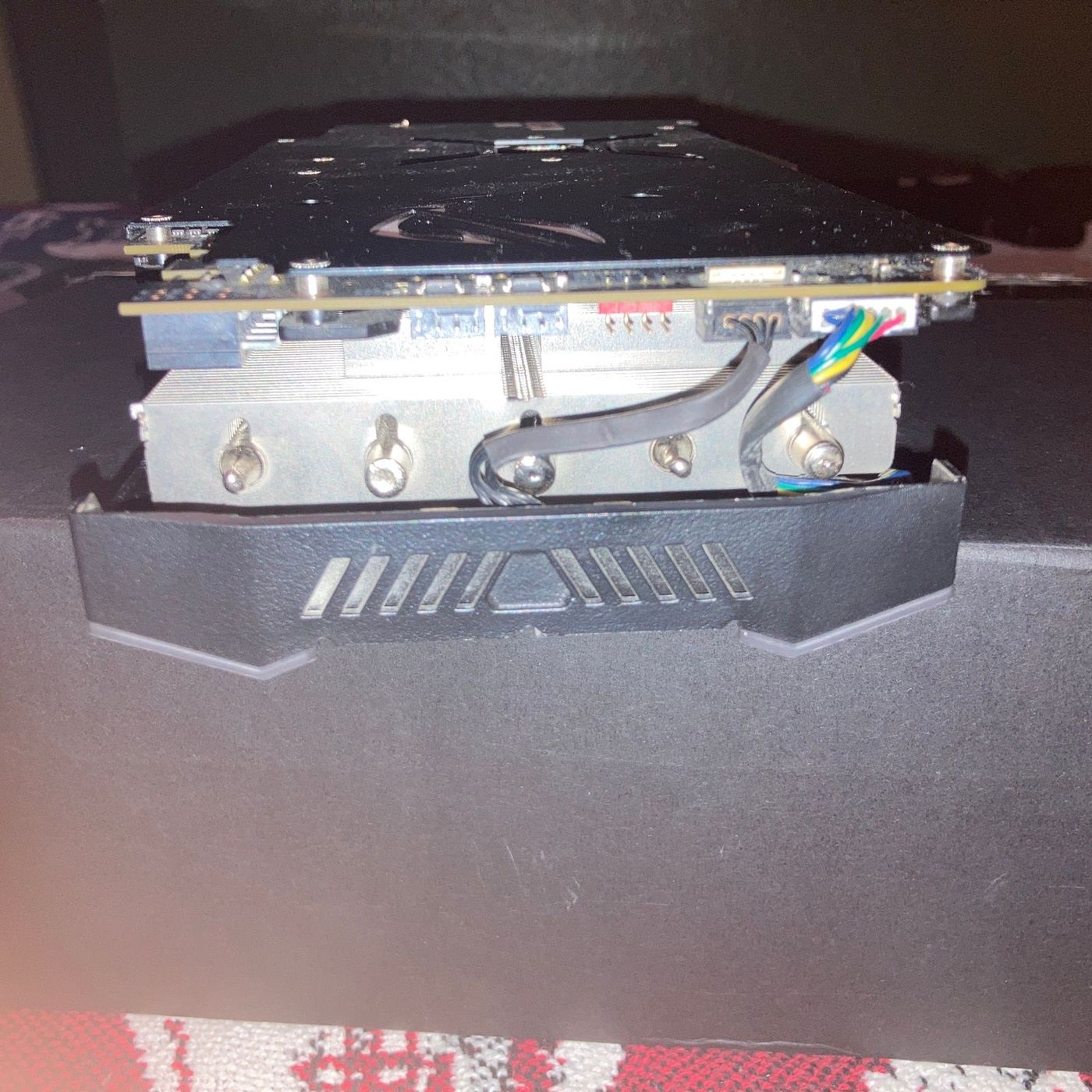
There’s no clean fix. That variant just shipped broken from the factory. ASUS sent some of these out the door with a MOSFET getting zero cooling and that’s just what you got.
The HBM Lifestyle
This card is part of a longer arc for me. It goes something like:
- Fury — HBM1, the first generation, wild that it even existed
- Vega 56 — HBM2, refined, still bandwidth-hungry and interesting
- Radeon VII — HBM2 again but pushed harder, 16GB on a consumer card
HBM2 is already dwarfed by what’s come since. The newer HBM generations are just on another level entirely. But there’s something about the era of Fury through Radeon VII that felt like AMD was genuinely swinging for something different — stacked memory on consumer silicon, chasing bandwidth when everyone else was just adding more GDDR chips.
The Vega 56 Strix ran hot and had problems. Still one of my favorite cards. The HBM pull didn’t stop here — a year later I ended up grabbing a Vega 64 LC for $200. If you want to go deeper on the full HBM lineage from Fiji through the datacenter stuff, I wrote up the whole history here. And if you want to see what AMD did with the same Vega 10 die in the server space — two of them on one passive card, 16GB HBM2, SR-IOV for virtual GPU slicing, previously running inside Google Stadia — I did a full Radeon Pro V340L teardown and repaste.
ASUS ROG Strix Vega 56 — HBM2, thermal pad lottery loser, picked up August 2022. Worth it.
From Marks Finds
- ASUS ROG Strix Vega 56 — GPU